Chasing Alpine Light on Film

Welcome to an immersive journey through Analog Photography Guide to the Alps: Film-Friendly Routes, Labs, and Scenic Stops, where mountain weather, timeless emulsions, and thoughtful logistics come together. We’ll share tested routes, reliable processing options, and unforgettable viewpoints, blending practical know-how with stories that honor patience, grain, and the breathtaking clarity only altitude and film can reveal.

Planning Your Alpine Film Journey

Before the first shutter click, align seasons, altitudes, and film characteristics with realistic travel windows. Snow glare, swift cloud cover, and long summer twilights will shape exposure choices, battery care, and daily pacing. Build flexibility into your schedule, leaving space for weather surprises, roadside discoveries, and essential rest that keeps creative instincts sharp.

Routes That Love Film

Slow down on lines and roads that offer frequent vantage points, safe pullouts, and rhythmic scenery changes. Panoramic trains glide past glaciers and viaducts; balcony roads climb into sweeping valleys. Choose segments with regular stops so you can step out, breathe thin air, and compose deliberately, letting moments unfold without the rush of schedules.

Labs You Can Trust in the Mountains

City Hubs Versus Mountain Towns
Zurich, Geneva, Milan, Munich, and Innsbruck generally provide dependable processing, often with same‑week returns. Smaller resorts may only accept drop‑offs with longer waits or ship to partners. Verify hours, holiday closures, and scanning formats. If you’re mid‑trip, stagger batches across cities to hedge risk, keeping critical rolls on you until you confirm quality.

Handling Push/Pull and Special Emulsions
Label canisters clearly with push or pull notes, ISO used, and any filtration that might influence color casts. Confirm whether the lab handles slide film in‑house or outsources E‑6. For high‑contrast snow scenes, request lower‑contrast scans. When pushing for evening portraits in villages, communicate expectations so grain, shadows, and midtones meet your stylistic intentions.

Mail-In Options and Safe Shipping

If schedules tighten, use tracked mail‑in services to trusted labs, packing rolls in crush‑resistant boxes with zip bags for moisture. Include contact details, instructions, and preferred scan sizes. Avoid extreme heat in transit by timing drop‑offs early week. Keep a photographed inventory of canisters so you can reconcile shipments and ensure every image finds its way back.

Scenic Stops with Character

Seek places where composition writes itself: mirrored lakes, textured passes, and hushed streets after the last lift closes. Arrive with patience, linger for changing light, and build sequences that show a place breathing. Prioritize safety, respect private land, and keep your horizon straight when excitement tempts you to rush a once‑in‑a‑lifetime reflection.

Metering, Filters, and Exposure at Altitude

Bright snow, deep valleys, and fast‑moving clouds challenge assumptions. Let incident readings guide difficult scenes, bracket thoughtfully, and know your film’s shoulder. Polarizers help but can unevenly darken wide skies; graduated filters curate horizons on passes. Keep lens hoods handy, protect from flare, and trust consistent technique over chasing perfect, ever‑shifting mountain light.

01

Snow Scenes Without Losing Detail

Instead of dialing in reflexive compensation, meter from a gray reference or use incident light to avoid underexposing faces against white expanses. Shield meters from reflective glare. If snow dominates, expose for highlights you want to keep and let negative film’s latitude cradle shadows, producing prints that read crisp without harsh, brittle contrast.

02

Blue Hour on Color Negative and Cine-Style Stocks

As alpine twilight stretches, Portra and similar emulsions render subtle gradients beautifully when you extend exposure confidently. Embrace tripod stability, cable releases, and steady breathing. Note reciprocity characteristics for multi‑minute frames, and consider slight overexposure to protect delicate hues. Streetlamps and chalet interiors introduce warm anchors that balance the coolness sliding over ridgelines.

03

Protecting Color Integrity Under Harsh UV

Altitude amplifies ultraviolet intensity, shifting tones toward thin, clinical blues if left unchecked. A gentle UV or skylight filter preserves skin tones and stone warmth. When haze creeps in, prioritize contrasty compositions over heavy filtration. If using a polarizer, rotate slowly while checking through the finder for uneven skies, especially with wider focal lengths.

Stories from the Road
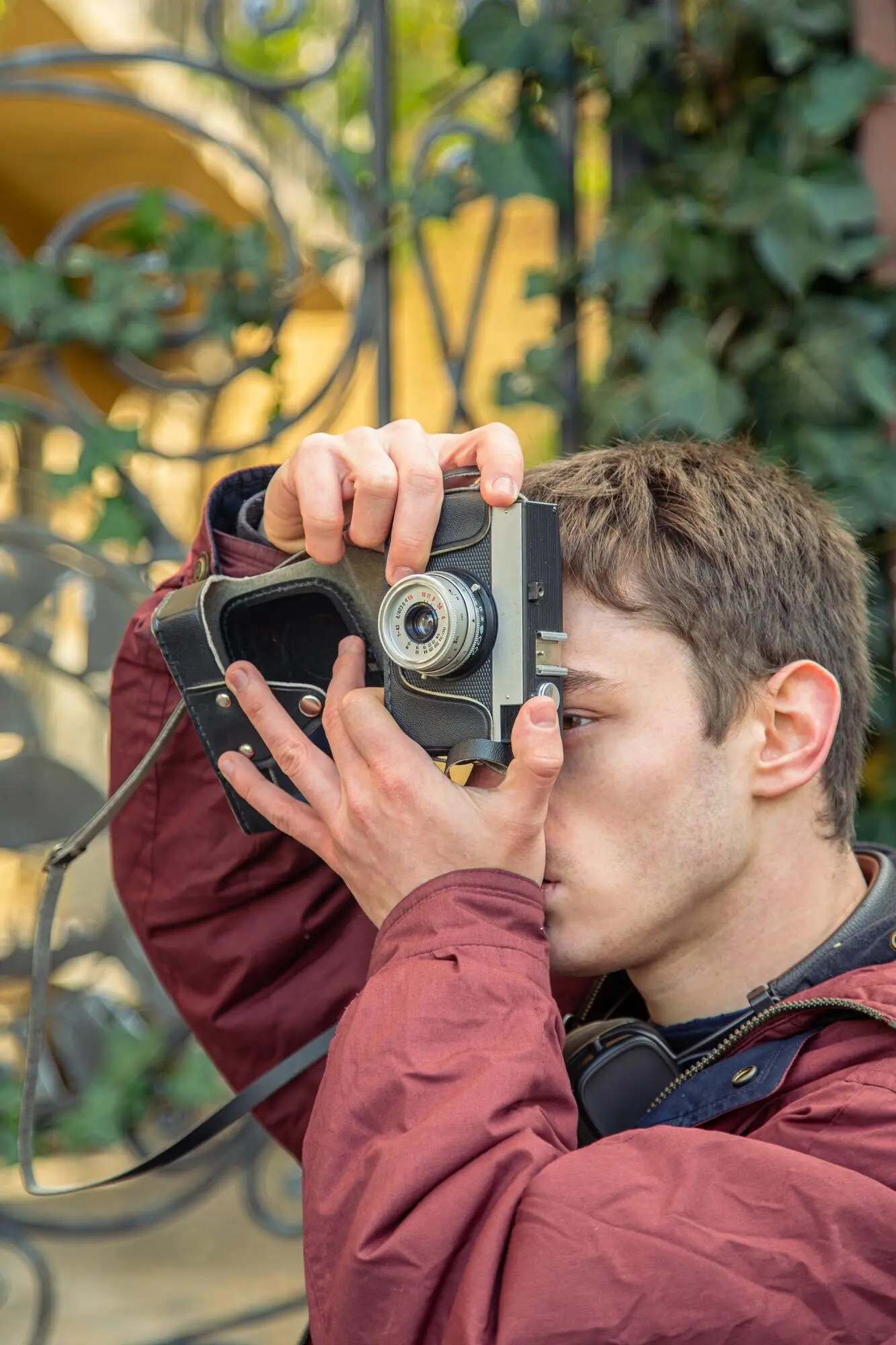
Experiences shape craft more than settings alone. Between passes and platforms, chance conversations, missed connections, and sudden squalls teach humility and patience. These short stories celebrate serendipity, reminding us that every imperfect frame carries the heartbeat of a place, a time, and a person standing in thin, shimmering air with a camera.

The Frame I Nearly Lost to a Tunnel

Racing a regional train toward a sunlit viaduct, I forgot the next tunnel and framed wide, ready for the curve. Darkness swallowed the scene, but the exit burst open with perfect sidelight. One breath, one click, and the negative held just enough shadow detail to remember the thunder and laughter in the carriage.

An Unexpected Portrait at a Mountain Hut

A hut keeper poured coffee as sleet brushed the windows, then rested by the stove with a wool cap and patient eyes. I asked politely, metered from a wooden beam, and exposed half a stop over. The scan revealed weathered hands, steam, and kindness. Sometimes the mountain’s greatest vista sits two meters away, warming your fingers.

Lessons from a Cracked Filter at Minus Ten

At dawn, a hairline fracture spread across a protective filter after a stumble on ice. I considered packing up, then removed the ring and shot carefully bare. Flare tested my resolve, but composition, timing, and steady metering saved the set. Gear matters, yet attention, empathy, and patience are the real stabilizers in cold air.

Community, Safety, and Sustainable Travel

The mountains feel generous when we tread lightly and share thoughtfully. Favor trains and buses where possible, give hikers space, and leave paths as you found them. Swap knowledge graciously, credit local guides, and bring back stories that help others travel slower, safer, and more creatively, frame by frame, season after returning season.

Getting Around Without a Car

Rail networks and mountain buses stitch valleys together with dependable cadence. A pass can simplify fares and encourage spontaneous stops when the light turns perfect. Platforms become scouting perches, and short walks connect trailheads. Embrace this rhythm to reduce stress, shrink your footprint, and free your hands for cameras instead of steering wheels and parking tickets.

Respecting Trails and Local Rhythm

Stay on marked paths, yield graciously, and keep noise low near farms and huts. Avoid trampling alpine flora when chasing a vantage point; step back and reframe instead. Ask before photographing people, and share a smile even without words. The trust you build becomes access, advice, and the kind of welcome that brightens future visits.

Share Your Frames and Keep the Conversation Rolling

We’d love to see your alpine negatives, hear about the passes you loved, and learn which labs treated you well. Leave a note with your favorite route, subscribe for future itineraries, and ask questions. Your experiences refine this guide, helping every roll travel farther, safer, and more beautifully through the high country’s changing light.

Fefolerafineka
Privacy Overview

This website uses cookies so that we can provide you with the best user experience possible. Cookie information is stored in your browser and performs functions such as recognising you when you return to our website and helping our team to understand which sections of the website you find most interesting and useful.